Modernizing Java Applications with the Five Rs and Strangler Pattern
Learn how to modernize legacy Java systems using rehost, refactor, revise, rebuild, replace, and the strangler pattern while managing data, sessions, testing, and endpoints.
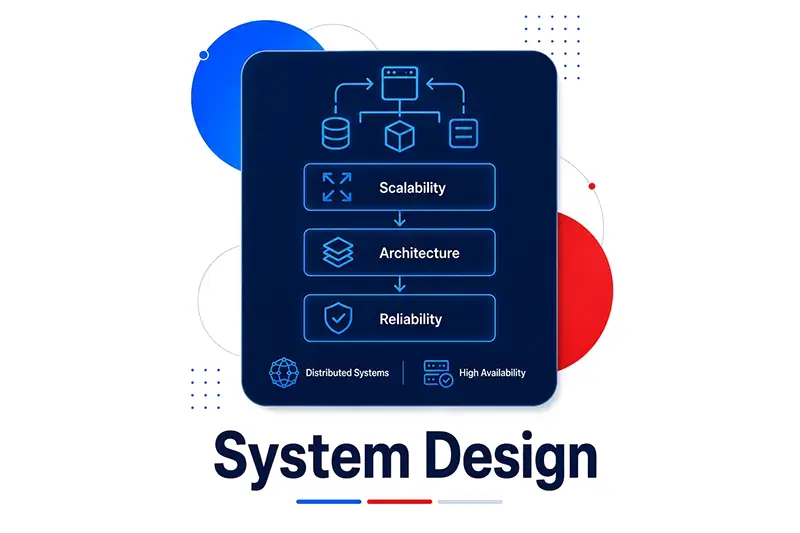

Learn how to modernize legacy Java systems using rehost, refactor, revise, rebuild, replace, and the strangler pattern while managing data, sessions, testing, and endpoints.
Learn how to evaluate release frequency, scale, data integrity, DevOps readiness, miniservice compromises, and serverless tradeoffs before choosing a Java architecture style.
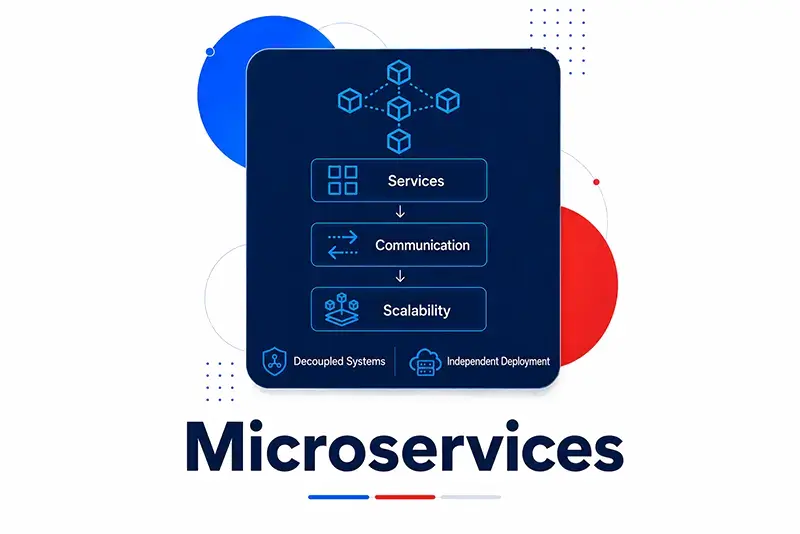
Learn how circuit breakers, fallbacks, retries, timeouts, idempotency, sagas, and backend orchestration help Java microservices survive distributed failures.
Learn how to separate changing business decisions and stateful processes using rules, CEP, DMN, BPMN, Drools, jBPM, and clear integration boundaries.
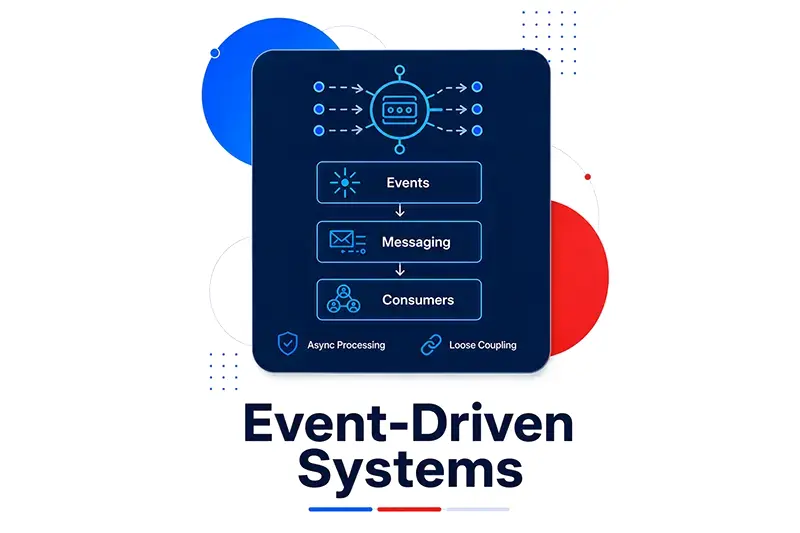
Learn how to design Java messaging flows with queues, topics, delivery guarantees, dead letter queues, message persistence, copies, and operational tracing.
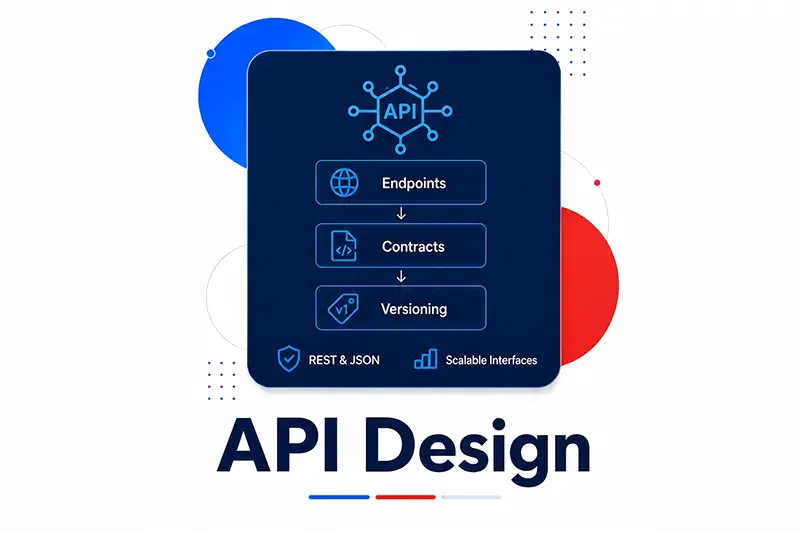
Learn how Java teams can design integration routes with ESB ideas, enterprise integration patterns, Apache Camel, routing, transformation, and operational visibility.
Learn how MicroProfile and Quarkus extend familiar Java APIs with cloud-native configuration, observability, packaging options, and productive persistence through Panache.
Learn how Jakarta EE and WildFly provide standardized enterprise APIs for REST, dependency injection, WebSocket communication, messaging, and JPA persistence.
Learn how Lean waste reduction, Scrum roles and events, Kanban boards, Planning Poker, Kaizen, and Burndown charts help teams deliver useful software with clearer flow.
Learn how Code and Fix, Waterfall, and Agile shape software delivery, where each model helps or hurts, and how to choose a practical workflow for real projects.