Designing Relational Data Models with ACID Transactions
Learn how relational databases model structured data with keys, relationships, ACID transactions, and clear boundaries while avoiding common design traps such as misplaced business logic.

Learn how relational databases model structured data with keys, relationships, ACID transactions, and clear boundaries while avoiding common design traps such as misplaced business logic.
Learn how to modernize legacy Java systems using rehost, refactor, revise, rebuild, replace, and the strangler pattern while managing data, sessions, testing, and endpoints.
Learn how to evaluate release frequency, scale, data integrity, DevOps readiness, miniservice compromises, and serverless tradeoffs before choosing a Java architecture style.
Learn how circuit breakers, fallbacks, retries, timeouts, idempotency, sagas, and backend orchestration help Java microservices survive distributed failures.
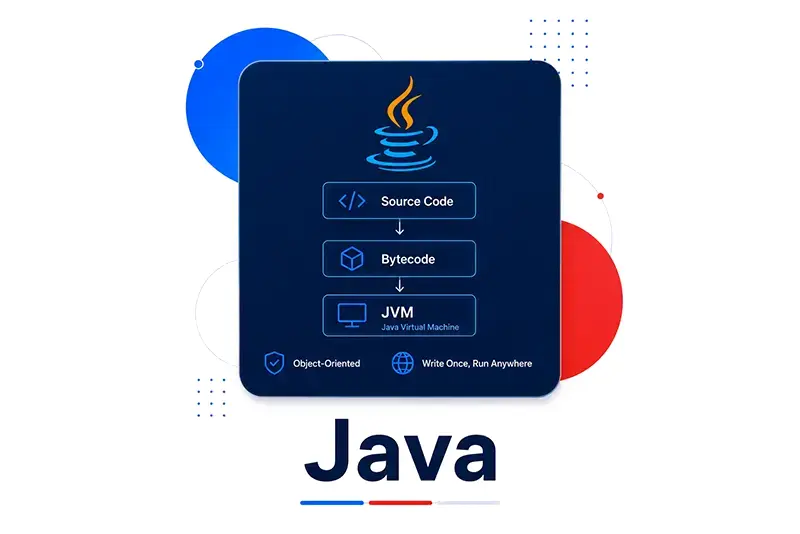
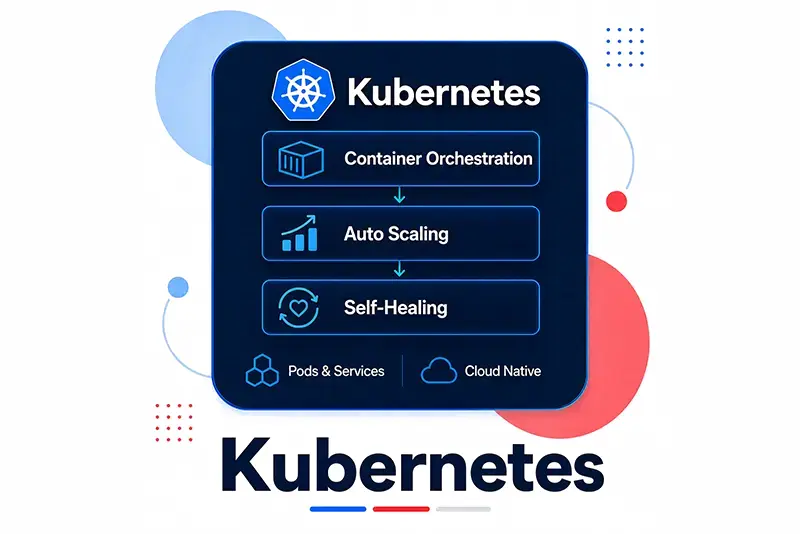
Learn how scalability, modularity, resiliency, PaaS, containers, Kubernetes, and twelve-factor practices fit together when designing Java services for cloud-native environments.
Learn how to separate changing business decisions and stateful processes using rules, CEP, DMN, BPMN, Drools, jBPM, and clear integration boundaries.
Learn how to design Java messaging flows with queues, topics, delivery guarantees, dead letter queues, message persistence, copies, and operational tracing.
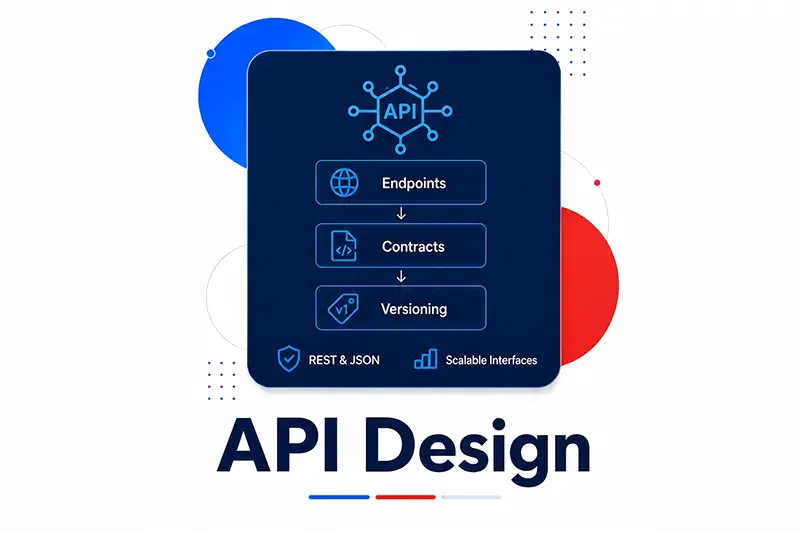
Learn how Java teams can design integration routes with ESB ideas, enterprise integration patterns, Apache Camel, routing, transformation, and operational visibility.
Learn how MicroProfile and Quarkus extend familiar Java APIs with cloud-native configuration, observability, packaging options, and productive persistence through Panache.
Learn how DevOps changes team ownership, why automation matters, and how DevSecOps, BizDevOps, and production feedback improve delivery quality.