Designing Centralized Identity Management for Java Applications
Learn how authentication, authorization, IAM, SSO, user stores, tokens, RBAC, and PBAC fit together when designing secure Java applications.
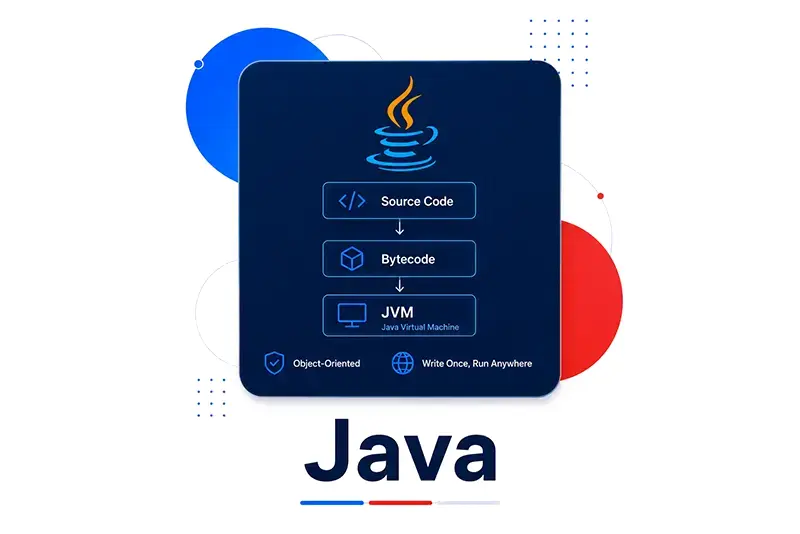

Learn how authentication, authorization, IAM, SSO, user stores, tokens, RBAC, and PBAC fit together when designing secure Java applications.
Learn how to design gRPC services in Go with Protobuf contracts, generated code, streaming RPCs, interceptors, graceful shutdown, secure clients, and production-ready observability.
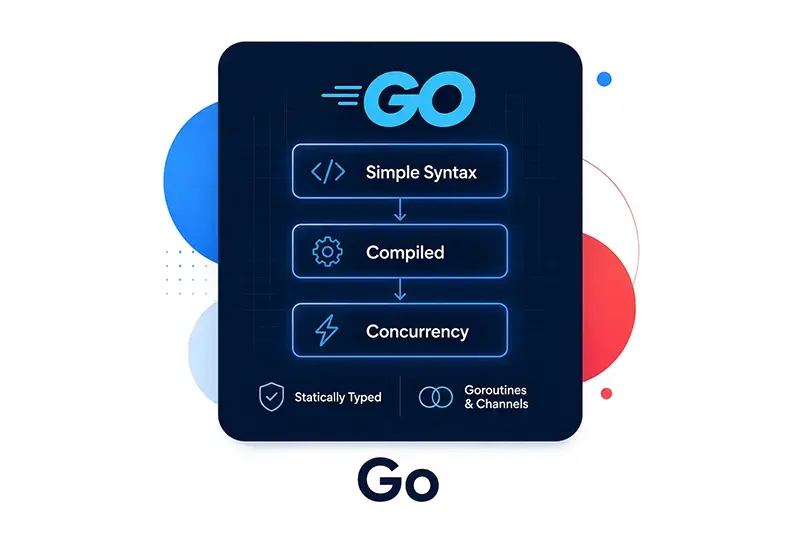
Learn how to use events to decouple Go services, define stable message contracts, build reusable producers and consumers, handle failed messages, tune broker clients, and observe the system in production.
Learn how to test Go persistence code against real containerized services, separate integration tests from fast unit tests, reuse containers safely, and keep CI feedback reliable.
Learn how to keep database code outside your business rules while using Go ports, MySQL repositories, transactions, connection pools, ORM boundaries, and controlled schema migrations.
Learn how to design a REST API before implementation, generate Go server contracts from OpenAPI, keep HTTP code outside the domain, and evolve public endpoints without breaking clients.
Learn how to structure a Go service around models, ports, services, and adapters so business rules stay testable while databases, transports, and messaging tools remain replaceable.
Learn how to run a Go HTTP server with external configuration, safe timeouts, clear routes, observability headers, and graceful shutdown for reliable production deployments.
Learn how to design concurrent Go services with clear goroutine lifecycles, safe channel ownership, bounded fan-out, cancellation, error handling, testing, and production monitoring.
Learn how Go decides whether values live on the stack or heap, how pointer choices affect performance, and how to verify allocation behavior with compiler output and pprof.